A job interview is one of the few times a haircut carries real weight beyond how you feel about it. Interviewers notice grooming in the first minute, not because they are judging style, but because a tidy appearance signals that you prepared. In Waxhaw, men who book the interview cut a few days ahead, choose conservatively on purpose, and test the look on camera beforehand walk in with one less thing to think about. At Waxhaw Barber Styling Shop, the interview cut is a familiar request, and the advice is consistent: neat beats fashionable, every time.
The cost of neglecting this is not a bad photo. It is a morning-of scramble, a too-fresh cut that looks severe on video, or hair that was fine in the shop mirror and wild under office lighting. A little timing and a plain plan remove all three risks, and the numbers below show how small the margins really are.
What tidy actually means to an interviewer
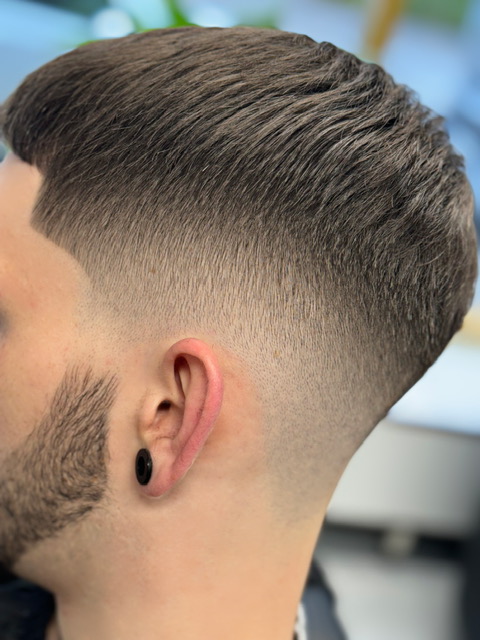
Tidy means the hair is off the collar and ears, the neckline is clean, the style holds its shape without visible effort, and nothing distracts: no sharp design lines, no extreme fade contrast, no heavy shine, no fringe falling into the eyes when you look down at notes. It does not mean short at all costs. A medium-length cut that is recently trimmed, combed, and controlled reads tidier than a brand-new skin fade on a man who clearly never wears one. Stay close to your normal look, only cleaner. Interviewers, including the panel on the other side of a video call, respond to consistency. If your photo, your video square, and your in-person appearance all match, grooming never becomes a topic at all, which is exactly the goal.
Timing it a few days ahead
Fresh cuts have a settling period. Edges soften slightly, the scalp color evens out where hair was taken short, and you get two or three mornings to learn exactly how much product the new length wants. Book three to five days before the interview. That window also leaves room for a small adjustment if something sits wrong, without a second full appointment. Booking the morning of the interview stacks every risk at once: a running-late shop, a cut you have never styled, and no recovery time if the neckline itches or the top will not lay down. Booking two weeks early has the opposite problem, with fast-growing hair already pushing over the ears. If you have a multi-round process, time the cut before the first in-person or on-camera round, and plan a light neckline cleanup before the final round instead of a second full cut.
What reads as tidy on camera
Video flattens and brightens. Shine reads as oil, flyaways read as messy, and a very tight fade can look harsher under bright office light than it does in person. The night before, do a sixty-second camera test in the shirt you plan to wear, in the room and light you will use for a remote interview, or under any bright overhead light for an in-person one. Comb the hair as you will that morning and look for three things: fringe touching eyebrows, sides standing away from the head, and a collar line that needs a brush-off. Fix the styling, not the cut, at this stage. A touch less product, parted while damp, usually solves the first two. A lint roller and a spare minute solve the third. If you wear a beard, trim it on the same schedule as the cut, with clean cheek and neck lines, because an untidy beard cancels a tidy haircut faster than any other single detail.
Conservative choices that still look like you
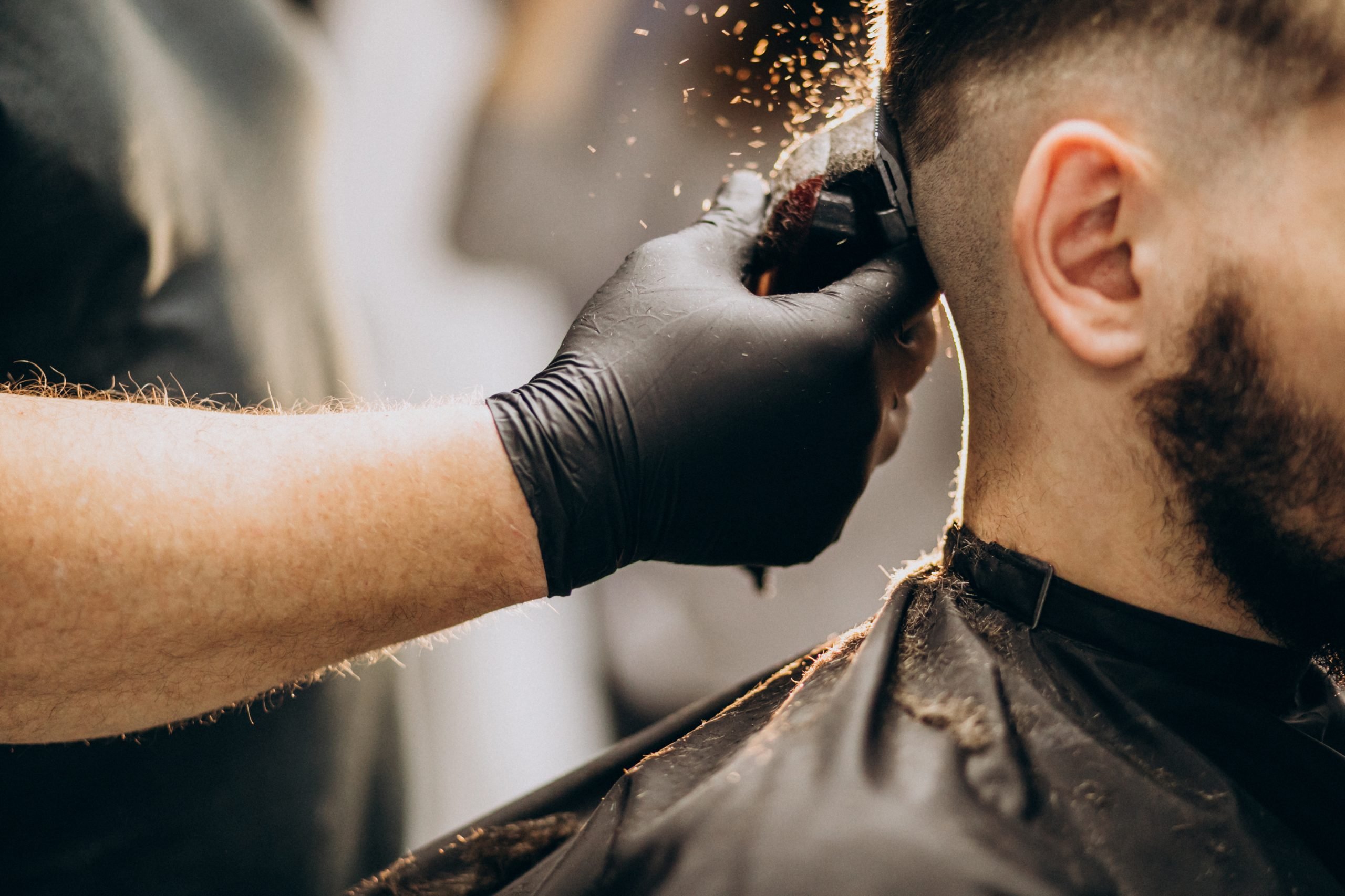
Choose the interview version of your cut, not a stranger's cut. Keep your usual part and general length, tighten the sides modestly, clean the edges, and skip any new feature you cannot test for two weeks. Tell the barber in Waxhaw that it is for an interview and name the industry if you know its norms, because finance, trades supervision, sales, and creative roles read neat differently at the edges. Bring your normal routine into the conversation. If you will interview after a commute in Carolina heat, ask for a style that survives a short walk from a parking lot, and carry a comb rather than more product. Preparation reads as competence because it is competence, applied to the one part of the interview you fully control before anyone asks a question.
Common questions
Should I get a brand-new style for an interview?
No. Get the cleanest version of the style you already wear. A new style needs about two weeks of practice before it looks natural under pressure.
Is a skin fade too much for an interview?
If it is your normal, well-maintained style, it is fine in most workplaces. If you have never worn one, an interview week is the wrong time to start, because it changes your appearance more than it tidies it.
What should I do about a beard for an interview?
Keep it, trimmed and edged on the same timing as the haircut, or shave clean and keep the skin calm. The untidy middle, several days of uneven growth, is the only choice to avoid.
Photos in this guide are representative stock images.
← All guides from Waxhaw Barber Styling Shop← Back to Waxhaw Barber Styling Shop